
What is a whole-body bone scan?
A whole-body bone scan with SPECT is a nuclear medicine imaging test that combines a conventional bone scan with a more detailed, three-dimensional imaging technique. The addition of SPECT/CT technology provides more precise anatomical detail, improving the ability to pinpoint and characterize areas of abnormal bone metabolism.
A whole-body bone scan is a test to check the health of your bones. Healthcare providers typically order this scan to check whether cancer has spread (metastasized) to your bones. You may also have a whole-body bone scan to help determine cancer stage (how advanced it is).
What Does a Whole Body Bone Scan Diagnose?
A whole-body bone scan with SPECT is a highly sensitive diagnostic tool that helps doctors detect and assess a variety of bone and joint conditions. The addition of SPECT imaging, especially when combined with a CT scan, provides a more detailed, 3D picture that can pinpoint the precise location of abnormal bone metabolism.
- Cancer
Bone cancer: Identifies primary tumors in the bone.
Metastasis: Tracks the spread of cancer from other parts of the body, such as the breast or prostate, to the bones. This is also used to monitor the effectiveness of cancer treatment.
Cancer staging: Helps determine how far cancer has advanced.
- Infections
Osteomyelitis: Detects bone infections, which may not be visible on standard X-rays. It is particularly useful for complex or hard-to-reach areas, like the spine.
Post-surgical complications: Identifies infections around joint replacements, such as in the hip or knee.
- Injuries and trauma
Stress fractures: Finds hidden fractures, including stress fractures common in athletes, that are often missed by other imaging methods.
Unexplained bone pain: Helps locate the cause of persistent pain when other imaging tests are inconclusive.
Spinal pain: Pinpoints the source of lower back pain, which could be related to a fracture, degenerative disc disease, or the sacroiliac joint.
- Other bone and joint conditions
Arthritis: Assesses joint inflammation, including early-stage arthritis.
Avascular necrosis: Diagnoses the death of bone tissue resulting from poor blood supply.
Paget’s disease: Detects this chronic disorder that causes abnormal bone growth.
Fibrous dysplasia: Identifies this rare bone disorder.
Indications
- To Check for Cancer Spread to the Bones: If you have cancer (like breast, prostate, or lung cancer), your doctor may use this scan to see if it has spread to your bones.
2. To Detect Hidden or Small Fractures: Sometimes fractures are too small to show up on X-rays. This scan can find tiny or stress fractures caused by injury, sports, or weak bones.
3. To Look for Bone Infections : If you have bone pain, swelling, or fever, this test can help find out if there’s an infection in the bone (called osteomyelitis).
4. To Check for Arthritis or Joint : It helps your doctor see if your joints are inflamed or damaged, and how active your arthritis might be.
5. To Find Bone Tumors or Abnormal Growths: The scan can detect benign (non-cancerous) or malignant (cancerous) bone tumors and help monitor their activity.
6. To Detect Poor Blood Supply to Bone (Avascular Necrosis) :Sometimes a bone may not get enough blood and begin to weaken or collapse. This scan can find those changes early, often before major symptoms appear.
7. To Check Joint Replacements or Implants: If you have had joint surgery or an artificial joint, the scan can show if it’s loosening, infected, or causing irritation.
8. To Find the Cause of Unexplained Bone Pain: When pain doesn’t have a clear cause on X-rays or MRI, this scan helps find hidden bone or joint problems.
Test Details
Who performs a whole-body bone scan?
A Whole-Body Bone Scan is done by a nuclear medicine team:
Nuclear Medicine Physician / Radiologist – a doctor who interprets the images.
Nuclear Medicine Technologist – a trained technician who gives the tracer and operates the scanner.
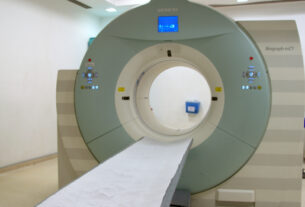
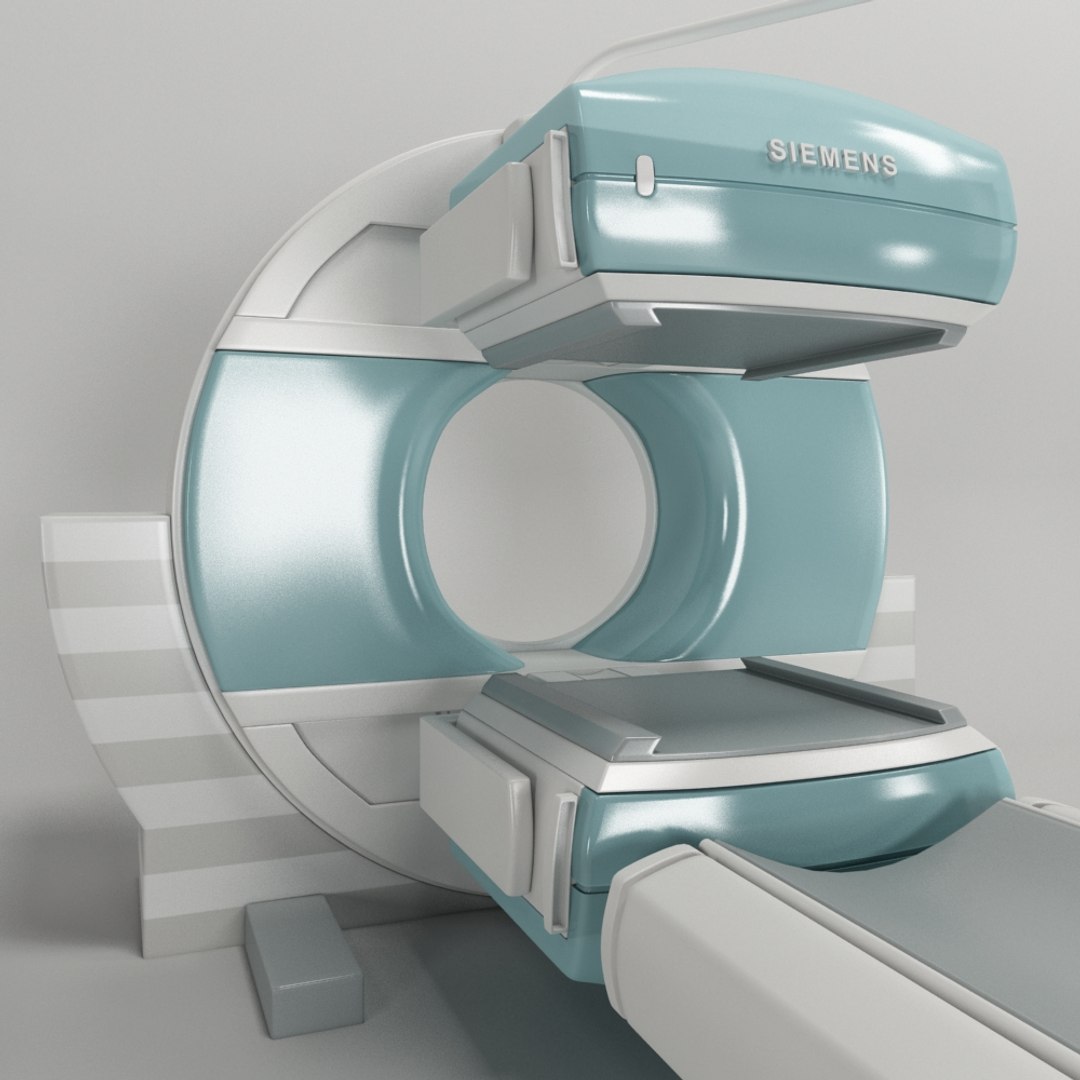
A Whole-Body Bone Scan uses special cameras that detect the radioactive tracer in your bones. The main types are:
- Gamma Camera
- Takes 2D images of your whole skeleton.
- Shows areas of increased or decreased bone activity.
- SPECT Scanner (Single Photon Emission Computed Tomography)
- Creates 3D images of specific areas.
- Helps your doctor see bones in more detail, especially in the spine, hips, and joints.
- Combination Scanners
- Some centers use SPECT/CT, which combines 3D bone imaging with a CT scan.
- Provides both functional and structural details of the bones for more accurate diagnosis.
What happens before a Whole-Body Bone Scan ?
Before a whole-body bone scan with SPECT, the main thing you need to do is prepare for the day’s timeline. There are no major dietary changes needed, but you will receive an injection and have a waiting period before the actual scan.
Before your appointment
Inform your doctor: Tell your doctor or the technologist if there is any chance you could be pregnant or if you are breastfeeding. You should also mention if you have any allergies or have recently taken any medication with barium or bismuth, such as Pepto-Bismol.
Plan for time: The whole process, including the waiting period, can take a few hours. You may want to bring a book, music, or a podcast to pass the time.
Wear comfortable clothing: Avoid clothing with metal, like zippers or buttons. You will need to remove all jewelry and metal accessories before the scan.
At the appointment
Get the injection: A technologist will inject a small amount of a safe radioactive fluid called a “tracer” into a vein in your arm.
Wait: You will then wait for about 2 to 4 hours while the tracer travels through your blood and is absorbed by your bones.
Stay hydrated: You’ll be asked to drink plenty of water during this waiting period to help flush any excess tracer from your system.
Go to the restroom: Just before the scan, you will be asked to empty your bladder. This ensures clear images of your pelvic bones.
What happens during a Whole-Body Bone Scan?
During the test:
- The technologist injects the radiotracer into one of your arm veins.
- You wait one to four hours while the radiotracer circulates throughout your body and reaches your bones. You won’t feel the radiotracer moving through your bloodstream.
- You may need to drink several glasses of water and urinate frequently to help flush excess amounts of the radiotracer that your bones don’t absorb.
- The technologist takes you into the testing room, and you lie on your back on an exam table.
- A large camera moves over your body and takes images.
- You may need to hold your breath for a few seconds to prevent blurry images. The technologist may also ask you to change positions so they can take pictures from multiple angles.
How long does a whole-body bone scan take?
A Whole-Body Bone Scan usually takes 2–5 hours in total, including the waiting time for the tracer to reach your bones.
- Tracer Injection: A small radioactive tracer is injected into your vein (takes a few minutes).
- Waiting Period: You wait 2–4 hours for the tracer to circulate and attach to your bones.
- Scanning: The actual scan takes about 30–60 minutes, depending on whether SPECT or extra images are needed.
What happens after a whole-body bone scan ?
After a whole-body bone scan, you can go home and resume your normal activities. There is very little aftercare, but you will need to take a couple of small steps to help flush the tracer from your body. You will receive the results from your doctor in a week or two.
After the test
Drink Fluids: You’ll be asked to drink plenty of water over the next 24 to 48 hours to help your body flush the remaining tracer
Rest: If you were lying down for a long time, you may feel a little dizzy, so take it slow when you stand up.
Check the injection site: There might be some mild bruising or swelling where the tracer was injected, but this should go away within a few days.
Wait for the results: A specialist will review your scan, and your doctor will share the results with you in one to two weeks.
Discuss next steps: If the scan shows anything unusual, your doctor will discuss what it means and whether you need any further tests.
What are the benefits of a Whole-Body Bone Scan ?
A Whole-Body Bone Scan provides a safe and effective way to check your bone health. Here are the main benefits:
1. Detects Bone Problems
Early Finds fractures, infections, or tumors before they show up on X-rays.
2. Checks for Cancer Spread
Helps see if cancer has reached the bones, allowing for early treatment.
3. Provides a Complete Picture
Scans your entire skeleton, so doctors don’t miss hidden problems.
- Guides Treatment
Shows which bones are affected, helping your doctor plan the best treatment.
5. Painless and Safe
Non-invasive, no discomfort, and uses a very low dose of radiation.
6. Monitors Healing or Disease Progress
Can track bone healing after injury or response to treatment for cancer, arthritis, or infections.
What are the risks a Whole-Body Bone Scan?
A Whole-Body Bone Scan is generally very safe, but like any medical test, it has a few small risks:
1. Allergic Reaction
- Rarely, some people may have a mild reaction to the radioactive tracer, like itching or rash.
- Radiation Exposure
- The scan uses a very small amount of radiation, similar to a regular X-ray.
- It is considered safe for most adults.
3. Pregnancy and Breastfeeding
- Pregnant or breastfeeding women should inform their doctor.
- Special precautions may be needed to protect the baby.
- Minor Discomfort
- You may feel a small pinch when the tracer is injected.
- Otherwise, the test is painless.
A Note from North City Diagnostic
The uncertainty of not knowing what’s happening with your bones can make you anxious. A Whole-Body Bone Scan with SPECT can provide answers. This safe, non-invasive imaging test helps your healthcare provider detect issues like bone infections, fractures, arthritis, bone tumors, or cancer spread. Different types of scanners, including SPECT and SPECT/CT, are available depending on your needs. Your provider will discuss next steps with you based on your scan results.
Care at North City Diagnostic
If you have bone pain or other skeletal concerns, you need a team of experts you can trust. Our Nuclear Medicine Physicians and Specialists at North City Diagnostic can help you understand your scan results and guide you toward the best care plan.